
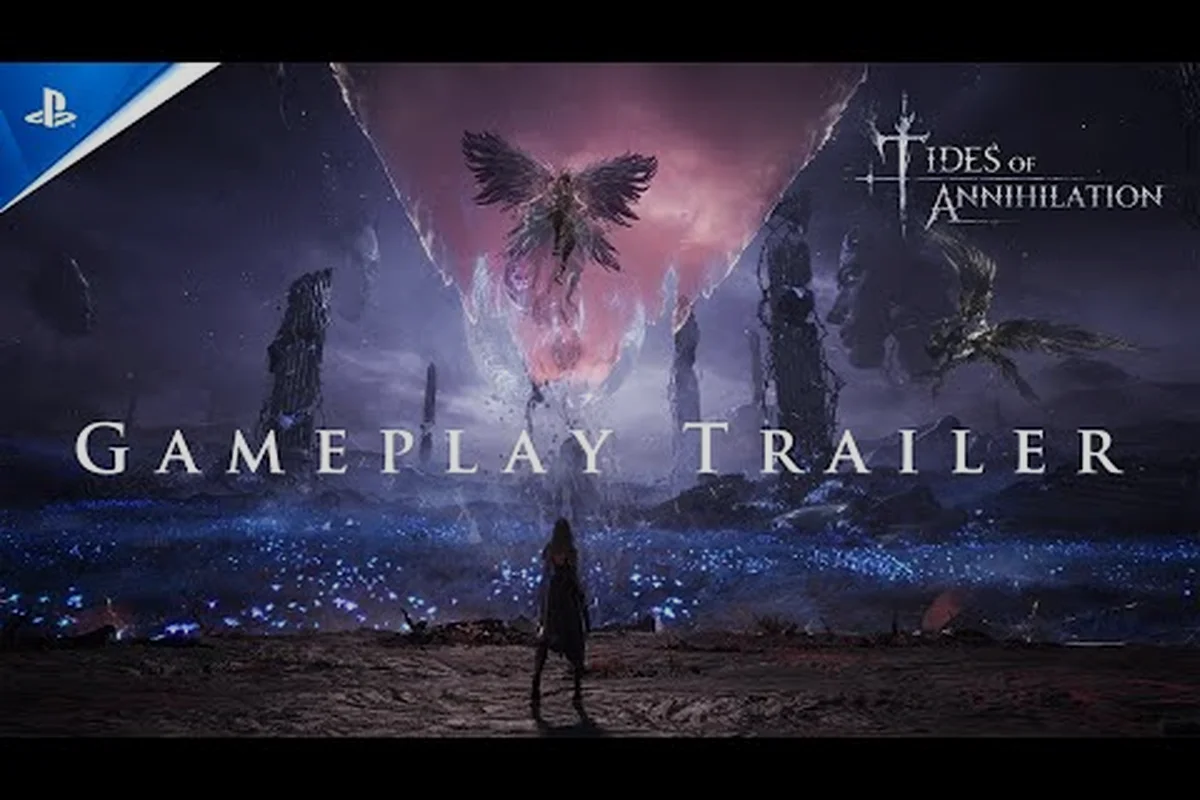
Mirror combat in Tides of Annihilation is the game's signature defensive-offensive system, and understanding how does mirror combat work in tides of annihilation is the difference between struggling against Tyronoe's clone spam and dismantling her phases with surgical precision. The mechanic revolves around perfectly timed parries and dodges that open Mirror Windows — brief slow-motion states where you can punish with enhanced knight combos. Because the system ties directly into the Dual Frontline battle structure, mastering it early makes every subsequent boss encounter, from the Colossal Knights to the witch herself, significantly more manageable. This guide breaks down the timing rules, the parry-versus-dodge decision tree, and the skill tree investments that make mirror combat click.
Understanding the Mirror Combat Core Loop
Mirror combat operates on a simple risk-reward loop: you bait an attack, execute a perfectly timed defensive action, and then exploit the resulting Mirror Window to deal amplified damage. According to the official PlayStation Blog announcement, Gwendolyn wields a mysterious gray fog that manifests spectral knights, and this same fog is what powers the mirror system — each successful parry or dodge charges your knight resonance meter, which then fuels stronger follow-up attacks.
The loop breaks down into four distinct stages that you will repeat hundreds of times across a playthrough: the enemy’s wind-up telegraph, your parry or dodge window, the counter-attack punish, and the brief stamina recovery lull. Mastering the timing of Stage 2 is critical, as mistimed parries in Tides of Annihilation drain your Mirror Gauge and leave you exposed to a shattered guard state, forcing you to reset your positioning before the next enemy cycle begins.
-
Read — Identify the incoming attack type (telegraphed sweep, thrust, or projectile) and decide whether to parry or dodge based on the enemy's wind-up animation.
-
React — Execute the defensive input within the parry window (roughly 0.4 seconds before impact) or the dodge i-frame window (0.5 seconds starting at the dodge initiation).
-
Punish — When you successfully trigger a Mirror Window, your next knight summon performs an automatic counter-attack that deals 2.5x normal damage and staggers most humanoid enemies.
-
Reset — Return to neutral stance and reposition, because the Mirror Window lasts only 2-3 seconds before the enemy recovers and resumes pressure.
What makes this system unique is that mirror combat is not just a defensive tool — it is the primary way you generate Resonance Charges, which are required to execute your knights' ultimate abilities. Every successful parry grants one charge, while perfect dodges grant half a charge. This means aggressive players who master the timing can cycle through their strongest offensive tools much faster than those who play passively, which is why the dual frontline battle system guide emphasizes mirror combat as the foundational skill for knight synergy.
The Parry Window and Its Timing Rules
The parry window in Tides of Annihilation is generous compared to other action games, but it punishes spam. Each enemy attack has a distinct flash cue — a brief white glow on the weapon or limb right before impact — and that flash is your timing marker. Pressing the parry button (L1 on PlayStation, Q on PC) within 0.4 seconds of that flash triggers a successful parry.
| Attack Type | Flash Cue Duration | Parry Window | Punish Result |
|---|---|---|---|
| Knight Sweep | 0.3s | 0.4s | Full stagger + 2.5x damage |
| Tyronoe Clone Lunge | 0.2s | 0.3s | Clone shatters instantly |
| Projectile Volley | 0.5s | 0.4s | Reflects projectiles back |
| Bird-Beast Dive | 0.4s | 0.35s | Opens extended Mirror Window |
The table above shows the timing differences across common attack types. Notice that Tyronoe's clone lunge has the tightest window at 0.3 seconds, which is why the boss fight demands focused practice. If you parry too early, you recover with no penalty but lose the opportunity; if you parry too late, you eat the full damage. There is no partial parry in this game — it is all or nothing.
Dodge Mechanics and I-Frame Management
While parrying is the higher-reward option, dodging is the safer and often smarter choice against multi-hit combos. The dodge roll grants 0.5 seconds of invincibility frames starting from the moment you press the button, and a perfect dodge (one that avoids damage during those frames) triggers a slower Mirror Window that lasts a full second longer than a parry window.
The tradeoff is that perfect dodges grant only half a Resonance Charge, while parries grant a full charge. Against Tyronoe's bird-beast form, however, many of her attacks are unparryable — they have a red flash instead of white — and you must dodge through them to avoid massive damage. Learning which attacks are parryable and which require dodging is the core of the decision tree, and the beginner guide covers the visual distinction between white-flash and red-flash attacks in detail.
Mirror Windows and Knight Counter-Attacks
When you successfully parry or perfect dodge, the screen briefly shifts to a desaturated, mirror-like tint and time slows to roughly 30% speed for 2-3 seconds. This is the Mirror Window, and it is your primary damage-dealing opportunity. During this state, your active knight automatically performs a counter-attack that deals 2.5x damage, but you can also manually input your own combo to stack additional hits.
The key insight is that the Mirror Window does not pause the enemy — it slows them. This distinction matters because it means you can reposition during the window without losing your punish opportunity. Against Tyronoe, who spawns clones and creates a Mirror Space Folded Realm that Gwendolyn cannot pass through, this repositioning ability is critical for breaking the mirrored barrier.
How Knight Types Affect Mirror Punishes
Each knight type triggers a distinct counter-attack animation and damage profile during Mirror Windows, so your loadout dictates more than just raw stats—it shapes your punish timing. A Vanguard knight, for instance, lands a quick, low-damage riposte that suits chaining into a follow-up combo, while a Bulwark knight’s slower, heavier strike deals massive stagger damage but leaves you vulnerable if the window closes early. This trade-off means you must align your knight’s counter-speed with the enemy’s attack rhythm, turning mirror combat into a loadout-driven chess match rather than a simple parry check.
| Knight Type | Counter Damage | Stagger Potential | Best Use Case |
|---|---|---|---|
| Sword Knight | 2.5x single hit | Medium | Quick punishes, single-target focus |
| Spear Knight | 2.0x multi-hit | High | Breaking enemy poise, clone clearing |
| Shield Knight | 3.0x counter-thrust | Low | High damage after successful parry |
| Bow Knight | 1.8x ranged volley | Low | Safe punishes from distance |
The spear knight is particularly effective against Tyronoe's clone phase because the multi-hit counter clears multiple clones in one swing. The shield knight, meanwhile, offers the highest single-hit damage but requires you to be in melee range when the Mirror Window triggers, which is riskier against the bird-beast form's wide sweeps.
The Mirror Space Folded Realm Interaction
According to the Xbox Wire developer deep-dive, Tyronoe's boss fight features a unique mechanic where she creates a Mirror Space Folded Realm that Gwendolyn cannot pass through. Inside this mirror space, the knight Sir Lamorak appears, interferes with Tyronoe's magic, and throws his spear for Gwendolyn to shatter the mirrored barrier.
This is where mirror combat transitions from a defensive mechanic into an environmental puzzle. When the barrier appears, you must use your parry timing to catch Lamorak's spear — the spear has a white flash cue just like enemy attacks — and then throw it at the barrier to break it. This sequence requires you to shift your focus from Tyronoe's clones to the spear timing, which is a deliberate design choice to test whether you have internalized the parry rhythm rather than just reacting to enemy attacks.
Skill Tree Investments for Mirror Combat
The skill tree in Tides of Annihilation offers several nodes that directly enhance mirror combat, and prioritizing these early can dramatically improve your survivability and damage output. Based on community testing and the game's light RPG progression system described on Wikipedia, the following nodes are considered high-value for players who want to build around the parry-dodge loop.
Core Mirror Nodes to Prioritize
The skill tree is divided into three branches — Combat, Resonance, and Survival — and each branch has mirror-specific nodes that synergize with different playstyles. For instance, the Combat branch's Mirror Edge node increases parry window frames by 15% after a successful Perfect Parry, directly rewarding the aggressive, counter-heavy approach detailed in our parry guide. Meanwhile, the Resonance branch offers Echo Link, which extends the duration of your mirror clone's attack chain, ideal for players who prefer sustained combo pressure. Survival nodes like Shattered Aegis reduce post-dodge recovery by 20%, a critical pickup for those who rely on evasion over blocking. Prioritizing one branch early is more effective than spreading points evenly, as higher-tier nodes in a single branch unlock bonus synergy bonuses that dramatically shift your mirror's combat efficiency.
-
Extended Window (Combat branch) — Increases Mirror Window duration by 0.5 seconds at max rank. This is the single best node for damage output because it gives you more time to land your full combo punish.
-
Resonance Surge (Resonance branch) — Grants an additional half Resonance Charge on every successful parry. This effectively doubles your charge generation, allowing you to summon knight ultimates twice as often.
-
Reflex Training (Survival branch) — Widens the parry window by 0.1 seconds. While this sounds small, it makes the difference between consistent parries and frustrating misses against Tyronoe's fast clone lunges.
-
Mirror Rebound (Combat branch) — Reflected projectiles deal 50% bonus damage. Essential for the projectile-heavy phases of the Colossal Knight fights.
-
Ghost Step (Survival branch) — Extends dodge i-frames by 0.15 seconds. This is a crutch node that becomes less valuable as you master timing, but it is excellent for learning the bird-beast form's unparryable attacks.
Recommended Skill Tree Paths
| Playstyle | First 5 Points | Next 5 Points | Final 5 Points |
|---|---|---|---|
| Aggressive Parry | Extended Window (3) | Resonance Surge (2) | Mirror Rebound (2) + Extended Window (2) |
| Defensive Dodge | Ghost Step (3) | Reflex Training (2) | Survival nodes + Ghost Step (2) |
| Balanced Hybrid | Reflex Training (2) | Extended Window (2) | Resonance Surge (1) + Ghost Step (2) |
The aggressive parry build is the highest damage ceiling but requires consistent timing. The defensive dodge build is more forgiving and pairs well with the shield knight's high counter damage. The balanced hybrid is recommended for first playthroughs because it covers both parry and dodge scenarios without over-investing in either.
Advanced Mirror Combat Strategies
Once you understand the basics, the next step is learning how to chain mirror combat actions together and how to adapt your approach to specific boss patterns. The following strategies come from community reports and player testing across the game's various difficulty settings.
Chaining Parries for Extended Pressure
Against enemies with rapid multi-hit combos, you can chain multiple parries in succession. Each successful parry resets your recovery animation, allowing you to parry the next hit in the sequence. This is particularly effective against Tyronoe's clone phase, where three clones attack in quick succession — parry the first clone, then immediately parry the second, and the third will trigger a Super Mirror Window that lasts 4 full seconds and deals 4x damage on the counter.
The timing for chained parries is tighter than single parries because the recovery animation is shorter, but the payoff is substantial. Practice this on the early Colossal Knight encounters, where the attack patterns are slower and more telegraphed, before attempting it against Tyronoe's faster clone attacks.
Dodging Through Unparryable Attacks
The bird-beast form of Tyronoe has several attacks that cannot be parried, indicated by a red flash instead of white. For these attacks, you must dodge through them at the right moment to trigger a Mirror Window. The key difference is that the dodge window is longer but the punish window is shorter, so you need to be positioned correctly before the dodge.
A practical approach is to dodge diagonally forward through the attack rather than sideways or backward. This positions you behind the enemy after the dodge, where you can land a full combo during the Mirror Window without worrying about the next attack in the sequence. The weapons guide covers which weapon types have the fastest recovery after a dodge, which matters for maximizing your punish damage.
Managing Resonance Charges for Boss Phases
Resonance Charges carry over between phases of a boss fight, which means you can bank charges from the first phase to unleash a devastating ultimate at the start of the second phase. Against Tyronoe, this is particularly valuable because her second phase (the bird-beast form) is more aggressive and leaves fewer openings for parries.
A common strategy reported by players is to parry the clone attacks in phase one to build three Resonance Charges, then immediately summon your knight ultimate when the bird-beast transformation cutscene ends. This catches the boss off-guard and deals significant damage before she begins her aggressive attack patterns.
Common Mirror Combat Mistakes
Even experienced players telegraph their mirror-fight intentions through predictable tells—most commonly, instinctively dodging after a blocked heavy attack or mashing the parry button during the opponent's feint window, which the AI reads and punishes with a guard-break combo. Recognizing these patterns early is critical: in mirror matches, both fighters share identical move pools and frame data, so the only advantage comes from exploiting your opponent's habits before they adapt to yours. Community discussions on Tides of Annihilation consistently flag three recurring errors: over-reliance on the dodge roll (which leaves you vulnerable to the follow-up lunge), failing to vary combo enders (allowing easy parry reads), and neglecting the skill tree's parry-recovery nodes that reduce the punish window after a mistimed block.
Over-Reliance on Parry
The most common mistake is trying to parry every attack, including those with red flashes that cannot be parried. This leads to taking unnecessary damage and breaking your rhythm. Remember that the parry is a high-risk, high-reward tool — against unparryable attacks, dodging is the correct response, and there is no shame in using it.
Mashing the Parry Button
Spamming parry in anticipation of an attack is a trap. The parry window is generous, but the recovery animation after a failed parry is long, leaving you vulnerable to follow-up attacks. Wait for the white flash cue before pressing the button, and trust the timing rather than trying to preemptively parry.
Ignoring Knight Positioning
Your knights are not just damage dealers — they are also your mirror combat partners. If your active knight is too far away when you trigger a Mirror Window, the counter-attack may miss entirely. Keep your knight close to the enemy during boss fights, and use the knight swap mechanic to reposition if needed.
Frequently Asked Questions
How does mirror combat work in tides of annihilation for beginners?
Mirror combat rewards perfectly timed parries and dodges with slow-motion punish windows. Press parry within 0.4 seconds of an enemy's white flash cue, or dodge through red-flash attacks to trigger a Mirror Window. During this window, your knight auto-counters for 2.5x damage, and you can chain additional combos.
What is the difference between parry and dodge in Tides of Annihilation?
Parry grants a full Resonance Charge and works only on white-flash attacks, while dodge grants half a charge and works on all attacks, including unparryable red-flash ones. Parry windows are tighter but offer higher damage potential, while dodge windows are more forgiving and safer against multi-hit combos.
How do I break Tyronoe's Mirror Space Folded Realm?
When Tyronoe creates the mirror barrier, Sir Lamorak appears inside the mirror space and throws his spear. Time your parry to catch the spear when it shows the white flash cue, then throw it at the barrier to shatter it. This interrupts Tyronoe's clone phase and opens her to a full punish combo.
Which skill tree nodes improve mirror combat the most?
Extended Window and Resonance Surge are the highest-value nodes for damage output, while Reflex Training and Ghost Step improve timing forgiveness. Prioritize Extended Window first if you are confident in your timing, or Reflex Training first if you are still learning the parry rhythm.
Can I use mirror combat against all bosses in Tides of Annihilation?
Yes—mirror combat works against all bosses, but Tyronoe's clone phase and Colossal Knight red-flash attacks break the parry window, forcing dodges. Master the Mirror Window timing on standard swings first, then invest in the skill tree's counter-attack nodes to punish unblockable openings. Adapting per phase is the real test.